

Twin Cities (Zone 5a) Succession Planting Schedule
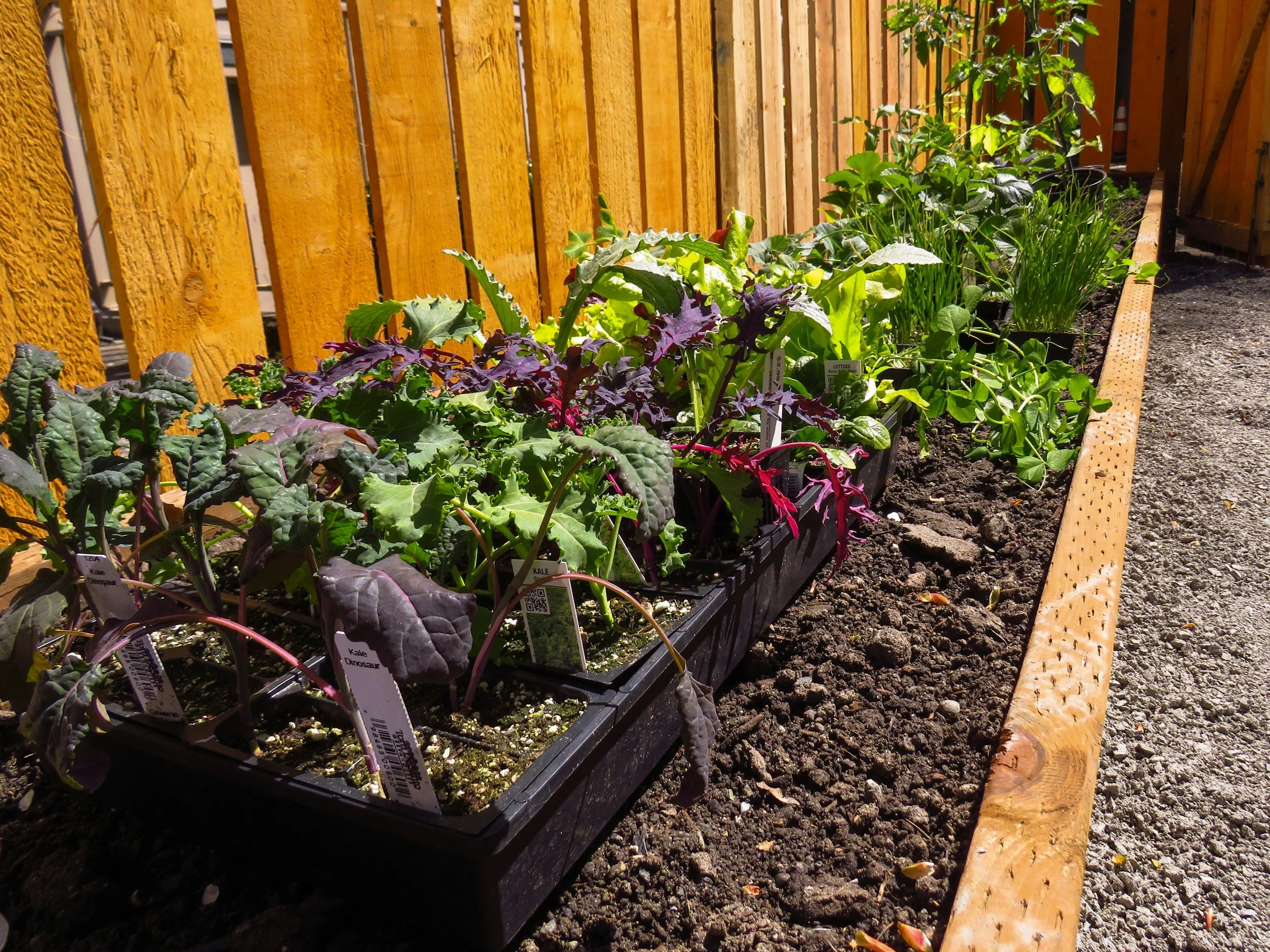
Starting point: Thursday, June 18, 2026
Where We Are in the Season
| Marker | Date |
|---|---|
| Average last spring frost (32°F) | May 1 |
| Average first fall frost (32°F) | October 7 |
| Average first hard freeze (28°F) | October 25 |
| Typical ground freeze / true dormancy | Mid-November |
| Frost-free season length | ~159 days |
| Today's position | Day 49 of 159 (~31% through the frost-free window) |
| Frost-free days remaining | ~110 |
These are 30-year NOAA normals for the MSP metro; actual dates swing about two weeks earlier or later depending on the year and your microclimate (lake-moderated and urban sites trend later, low-lying rural sites trend earlier). Treat the table below as a planning tool, not gospel — always cross-check the extended forecast as your cutoff dates approach.
Last planting date below = first frost date minus days-to-maturity minus a 10–14 day fall slowdown buffer (plants grow measurably slower as day length and soil temperature drop after Labor Day). Last harvest date reflects each crop's actual frost tolerance, which is often well past the "last planting" cutoff — that's the whole point of growing hardy crops late.
Plant Now (Week of June 18) — Quick Reference
Still wide open: bush beans, summer squash/zucchini, cucumbers, carrots, beets, kohlrabi, basil, dill, cilantro, all quick greens (lettuce, arugula, Asian greens), bok choy, chard, rutabaga (just barely), parsley.
Closing soon — get these in within 1–2 weeks: winter squash (short-season types only), melons (last call, use row cover), pumpkins (fast varieties only).
Already past the window for a full crop this year: Brussels sprouts, parsnips (full-size), long-season pumpkins, butternut-type winter squash (100+ day varieties).
Brassicas
| Crop | Days to Maturity | Last Planting Date | Last Harvest Date | Succession Interval | Key Pests & Diseases |
|---|---|---|---|---|---|
| Broccoli (transplant) | 55–70 | July 15 | Mid-October | One fall round | Cabbage worm/looper, flea beetle, aphids; clubroot, black rot |
| Cauliflower (transplant) | 55–75 | July 10 | Mid-October | One fall round | Same as broccoli; more heat-sensitive — bolts to "buttons" if started too early |
| Cabbage, quick variety | 60–75 | July 15 | Late Oct–early Nov | One fall round | Cabbage maggot, looper; black rot |
| Brussels sprouts (transplant) | 90–100 | Already past (needed by ~June 1) | — | n/a | Note for next year — sow indoors in April |
| Kale | 50–65 (baby leaf ~30) | Aug 15 | Late Nov–Dec, survives light snow | Every 3 weeks | Cabbage worm, aphids; mostly trouble-free in fall |
| Kohlrabi | 45–60 | Aug 1 | Mid-October | Every 3–4 weeks | Flea beetle; otherwise easy |
Why brassicas do well as a fall crop: flea beetle and cabbage moth pressure both peak in late spring/early summer and taper off; a July-planted broccoli seedling often dodges the worst of both. Frost also sweetens cabbage, kale, and Brussels sprouts by converting starches to sugars.
Greens
| Crop | Days to Maturity | Last Planting Date | Last Harvest Date | Succession Interval | Key Pests & Diseases |
|---|---|---|---|---|---|
| Lettuce | 45–55 (baby ~30) | Sept 1 | Mid–late October | Every 2 weeks | Aphids, slugs; avoid sowing in deep July heat (bolts/bitters) unless using shade cloth |
| Spinach | 40–50 | Sept 15 | November, can overwinter under cover | Skip mid-summer, resume mid-Aug | Leafminer, aphids; downy mildew in cool damp fall weather |
| Arugula | 30–40 | Mid-Sept | Late October | Every 2–3 weeks, including now | Flea beetle; gets spicier (not buggier) in heat |
| Asian greens (bok choy, tatsoi, mizuna) | 30–50 | Sept 1 | Mid–late October | Every 3 weeks | Flea beetle; bok choy bolts hard in heat — best as a fall crop |
| Mustard greens | 30–45 | Sept 1 | Mid-October | Every 2–3 weeks | Flea beetle, aphids |
| Swiss chard | 50–60 | Aug 1 | November, frost sweetens it | Sow once, harvest continuously | Leaf miner; fairly trouble-free |
| Collards | 55–70 | Aug 1 | Nov–Dec | One fall round | Same as kale; very frost hardy |
Why later sowing helps greens specifically: almost every green on this list bolts and turns bitter once day length and temperature climb in July. Sowing again in mid-to-late August lets them mature into the cooling, shortening days of September — slower bolting, better texture, and less of the "gone to seed overnight" problem.
Root Crops
| Crop | Days to Maturity | Last Planting Date | Last Harvest Date | Succession Interval | Key Pests & Diseases |
|---|---|---|---|---|---|
| Carrots | 60–80 | July 15 | November (mulch and leave in ground) | Sow now, then again in 3 weeks | Carrot rust fly, wireworm; Alternaria leaf blight |
| Beets | 50–65 | Aug 1 | Late Oct–Nov | Every 3 weeks | Leaf miner, aphids; cercospora leaf spot |
| Radish (spring type) | 25–30 | Mid-Sept | Through fall | Every 1–2 weeks | Flea beetle, root maggot |
| Daikon/winter radish | 50–60 | Aug 15 | November | One fall round | Same as above, generally tougher |
| Turnips | 30–60 | Aug 15 | Nov, sweetens with frost | Every 3–4 weeks | Flea beetle, root maggot |
| Rutabaga | 90–100 | Early July (tight) | Late Oct–Nov | One round only | Flea beetle, cabbage maggot; very frost hardy |
| Parsnips | 100–130 | Effectively past for a full root this year | — | n/a | Note for next year — sow by early May |
| Potatoes (fall "new potato" planting) | 70–90 | Early–mid July | Before ground freeze, Oct | One round | Colorado potato beetle, scab |
Why later sowing helps roots: carrots, beets, turnips, and rutabaga all convert starch to sugar after a light frost, so the crops that mature in cold weather genuinely taste better than midsummer ones. They also store far longer in the ground (mulched) or in a root cellar/fridge when harvested cold rather than warm.
Herbs
| Crop | Days to Maturity | Last Planting Date | Last Harvest Date | Succession Interval | Key Pests & Diseases |
|---|---|---|---|---|---|
| Basil | 60–75 (frost-tender below 50°F) | Mid-July | Must be harvested/processed before first frost, ~Oct 5 | Every 3–4 weeks | Japanese beetle; basil downy mildew is a real risk in humid MN Augusts — look for resistant varieties like 'Prospera' |
| Cilantro | 50–55 | Sept 1 | Into October (light frost tolerant briefly) | Every 2–3 weeks | Aphids; bolts fast in heat — fall sowings hold the leaf stage much longer |
| Dill | 40–55 | Aug 15 | October | Every 3–4 weeks | Aphids, parsleyworm (swallowtail caterpillar — consider it a feature, not a bug) |
| Parsley | 70–90 | July 15 | Nov–Dec, very cold hardy | Sow once | Aphids; generally easy |
Cucurbits
| Crop | Days to Maturity | Last Planting Date | Last Harvest Date | Succession Interval | Key Pests & Diseases |
|---|---|---|---|---|---|
| Summer squash / zucchini | 45–55 | July 25 | Must finish before first frost, ~Oct 5 | Every 3–4 weeks | Squash vine borer, squash bug, cucumber beetle; powdery mildew by August |
| Cucumbers (pickling/slicing) | 50–65 | July 20 | Before first frost | Every 3 weeks | Cucumber beetle (vectors bacterial wilt), squash bug; downy & powdery mildew |
| Winter squash (acorn, delicata) | 80–100 | Now is the absolute last call | Harvest before hard freeze, cure before storage | One round | Squash vine borer, squash bug; powdery mildew |
| Winter squash (butternut, longer types) | 100–115 | Already past for a full crop this year | — | n/a | Note for next year |
| Pumpkins, full-size | 90–120 | Already past | — | n/a | — |
| Pumpkins, mini (e.g. Jack Be Little) | 90–100 | This week only, very tight | Before hard freeze | One round | Same as squash |
| Melons (cantaloupe/watermelon) | 70–90 | This week, last call with row cover/black plastic | Before first frost | One round | Cucumber beetle, aphids; powdery mildew |
Why later sowing helps cucurbits (this is the one to remember): squash vine borer moths lay eggs in a fairly narrow window, roughly late June through July in Minnesota. A summer squash sown in late July often germinates and grows past the vulnerable seedling stage after most egg-laying has already happened, which is why a second planting frequently outproduces the first one once borers hollow out the original vines. It's one of the few cases where "later" isn't just acceptable — it's a genuine pest-avoidance strategy.
End-of-Season Timeline
| Stage | Approx. Date | What It Means |
|---|---|---|
| First light frost (32°F) | ~Oct 5–10 | Tender crops done: cucurbits, basil, beans. Harvest or cover. |
| First hard freeze (28°F) | ~Oct 20–25 | Semi-hardy crops finished: broccoli, cauliflower, lettuce, chard. |
| Ground freeze / dormancy | Mid-Nov | Hardy crops can still be pulled if mulched: kale, Brussels sprouts, parsnips, mulched carrots/beets/turnips. Kale and parsnips often taste best harvested right around here. |
General Disease & Pest Management Notes
Crop rotation matters most for clubroot (brassicas) and bacterial wilt/cucumber beetle (cucurbits) — both persist in soil or overwinter in plant debris, so avoid replanting the same family in the same bed within 3–4 years where space allows. Floating row cover is the single best low-effort tool for fall brassica and cucurbit seedlings, since it physically excludes flea beetles, cabbage moths, and cucumber beetles during the vulnerable early weeks — just remove it once flowers need pollinating on cucurbits. Powdery mildew on cucurbits and basil downy mildew both build up as the season progresses and humidity stays high, so late plantings sometimes dodge the worst of it simply by maturing before infection peaks, though very late September sowings can run into the opposite problem of cool, damp conditions favoring different fungal issues — there's a sweet spot rather than an indefinite "later is always better."
One more practical upside of staggering plantings the way this schedule lays out: it spreads harvest volume across the season instead of producing one large glut, which keeps kitchen and storage demands manageable.